
Why Some Children Wake Up Worried And How to Help Them Trust the Day Ahead
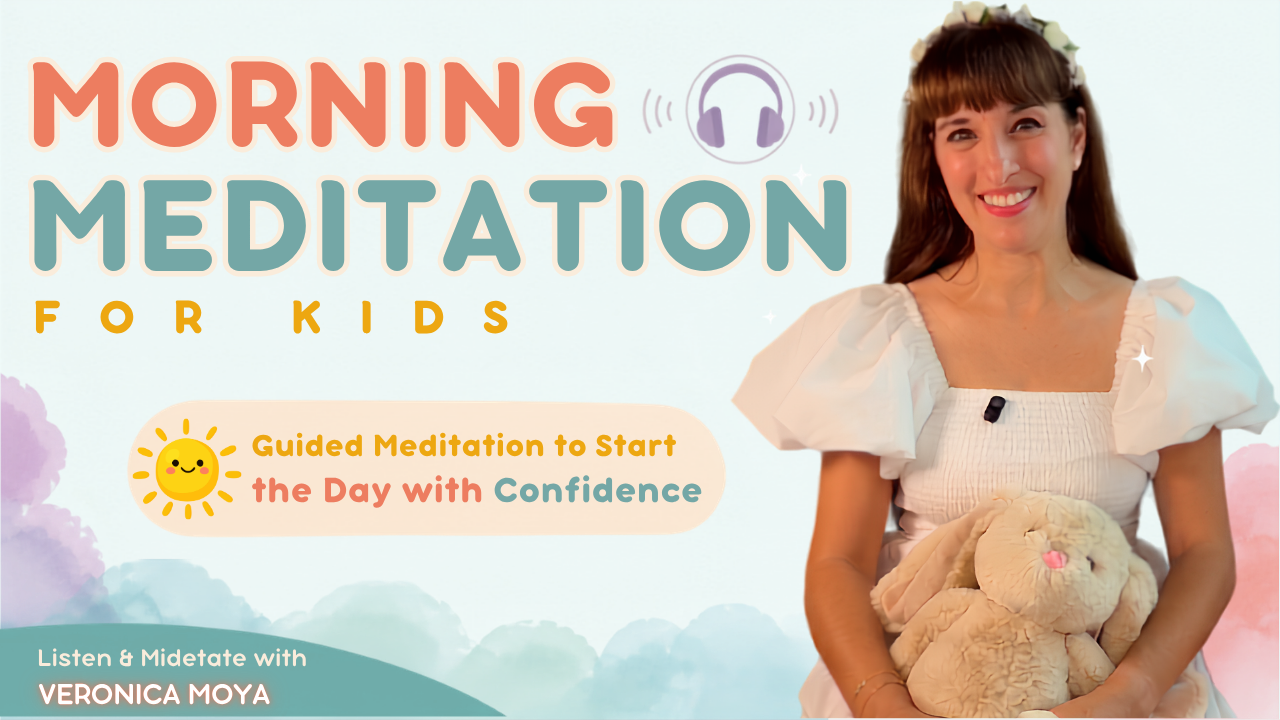
Morning Mindfulness For Kids
Have you ever noticed that your child wakes up already feeling worried?
Before breakfast is even on the table, they might be asking questions about school, worrying about a test, wondering if their friends will play with them, or saying they don’t feel like going out. While adults often think children wake up carefree, many children begin their day carrying invisible worries that can affect their mood, confidence, and ability to enjoy the day ahead.
The good news is that mindfulness can help.
Mindfulness for kids isn’t about asking children to stop feeling worried or pretend everything is perfect. Instead, it gently teaches them how to notice their feelings, calm their minds, and remember that they have the strength to face whatever comes their way. By making mindfulness part of a morning routine, children can begin each day with greater confidence, emotional balance, and trust in themselves.
Why Morning Can Feel Overwhelming for Some Children
Children’s minds are constantly learning, growing, and making sense of the world around them. As they prepare for the day, they may already be thinking about homework, friendships, sports, family changes, or new experiences. Even exciting events can create nervous feelings because children don’t always know what to expect.
Sometimes these worries show up in ways that aren’t immediately obvious. A child may become quiet, clingy, frustrated, or unusually emotional before school. Others may complain of a stomachache or simply say they don’t want to go.
These reactions don’t necessarily mean something is wrong. Often, they are signs that a child needs reassurance, emotional support, and practical tools to help regulate their feelings.
This is where mindfulness becomes so valuable.
Mindfulness Helps Children Start from a Place of Calm
Mindfulness encourages children to slow down and notice what is happening inside them without judgment. Instead of immediately reacting to anxious thoughts, they learn to pause, breathe, and reconnect with the present moment.
A simple breathing exercise can shift a child’s attention away from worrying about what might happen and bring them back to what is happening right now.
When children close their eyes, take a slow breath in through the nose, and gently breathe out through the mouth, their bodies begin to relax. Their minds become quieter, and they are better able to respond to challenges instead of feeling overwhelmed by them.
This simple practice may only take a few minutes, but its impact can last throughout the day.
Helping Children Trust Their Inner Light
One beautiful mindfulness practice for children is guided visualization.
Imagine asking your child to picture a warm, glowing white light gently filling their body from the top of their head to the tips of their toes. This light represents peace, wisdom, kindness, and inner strength. As they imagine the light growing brighter, they begin to connect with qualities they already have inside them.
Visualization gives children something positive to focus on instead of their worries. Rather than imagining everything that could go wrong, they imagine feeling calm, safe, and capable.
For younger children especially, visual imagery makes mindfulness easier to understand because they naturally learn through imagination and play.
Over time, this inner light becomes a comforting reminder that they carry courage within them wherever they go.
Teaching Children That They Can Choose Their Response
One of the greatest gifts mindfulness offers is helping children discover that while they cannot control everything around them, they can choose how they respond.
This doesn’t mean ignoring difficult emotions or pretending challenges don’t exist. Instead, children learn that they always have choices.
They can choose to take a deep breath.
They can choose kind thoughts.
They can choose courage instead of panic.
They can choose to ask for help when they need it.
These small choices build emotional resilience little by little.
As children begin to understand that they have the ability to calm themselves, they develop greater confidence in handling life’s everyday ups and downs.
Replacing Fear with Trust
Many anxious thoughts begin with “What if?”
“What if I fail?”
“What if nobody plays with me?”
“What if I make a mistake?”
Mindfulness gently shifts those thoughts without dismissing them.
Instead of becoming trapped in endless “what if” questions, children can practice simple affirmations that remind them they are safe and supported.
Affirmations such as:
- I am safe.
- I am loved.
- I am calm.
- I am brave.
- Everything works out for me.
These statements are not about pretending life is always easy. They help children build a healthier inner dialogue—one that encourages hope instead of fear.
With regular practice, these positive messages become familiar thoughts that children can return to whenever they feel uncertain.
Morning Mindfulness for Kids
A mindful morning doesn’t need to be long or complicated. In fact, consistency is far more important than perfection.
Parents can create a peaceful morning routine by inviting their child to spend just a few minutes slowing down before the busyness of the day begins.
This might include:
- Taking three slow, deep breaths together.
- Closing their eyes and imagining a peaceful white light surrounding them.
- Saying a few positive affirmations aloud.
- Visualising one wonderful thing they hope to experience during the day.
- Taking a final deep breath before heading out the door.
These small moments send a powerful message to children: your feelings matter, and you have healthy ways to care for them.
Preparing for School, Tests, and New Experiences
Mindfulness is especially helpful before situations that naturally create nervousness.
Whether your child has a spelling test, a school presentation, a sports competition, or simply feels uncertain about the day ahead, mindfulness gives them a practical way to calm their body and clear their mind.
Instead of carrying worry into the classroom, they carry steady breathing, positive thoughts, and the quiet confidence that they can handle whatever comes.
This doesn’t eliminate every challenge, but it changes how children experience those challenges.
Rather than feeling controlled by fear, they begin responding with courage.
The Power of Trusting the Day Ahead
One of the most meaningful lessons mindfulness teaches is that children don’t need to know exactly how every moment will unfold.
Life is full of surprises, changes, and unexpected moments. While we can’t predict everything that will happen, we can help children believe in their ability to navigate whatever comes.
When children learn to trust themselves, they spend less energy worrying about things outside their control and more energy enjoying the present moment.
That trust grows each time they pause, breathe, and reconnect with the calm already within them.
A Gentle Reminder for Parents
As parents and caregivers, it’s natural to want to solve every worry our children have. Yet one of the greatest gifts we can offer isn’t removing every obstacle, it’s teaching them the skills to meet life’s challenges with confidence.
Mindfulness helps children understand that peace isn’t something they have to search for outside themselves. It is something they can return to with every slow breath, every calming thought, and every quiet moment of reflection.
By beginning each morning with mindfulness, children learn they are loved, capable, and stronger than their worries. They discover that even when life feels uncertain, they have an inner light that can guide them with courage, kindness, and hope.
And perhaps most importantly, they begin each new day believing that no matter what lies ahead, they have everything they need inside themselves to face it with confidence.
Continue Your Child’s Mindfulness Journey
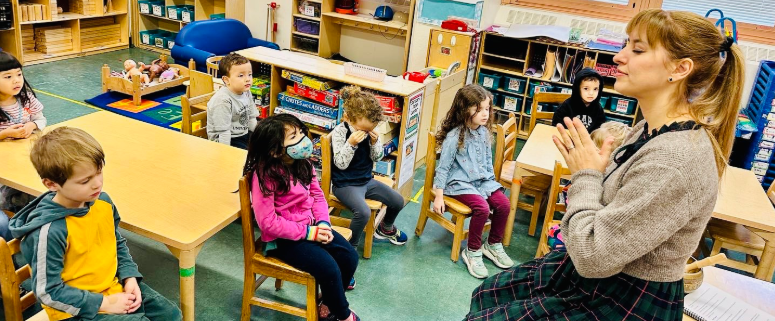
Helping your child build confidence, emotional resilience, and inner calm doesn’t have to be complicated. Sometimes, it begins with just a few mindful minutes each morning.
If you’re looking for gentle, heart-centered mindfulness practices your child can enjoy at home, explore Veronica Moya’s collection of guided meditations, mindful parenting resources, and children’s wellbeing tools on the website. Each resource is thoughtfully created to help children feel calm, confident, loved, and ready to embrace each day with a positive mindset.
For more guided meditations, mindfulness activities, and inspiring videos for children and families, subscribe to Veronica Moya’s YouTube channel. New content is designed to support children’s emotional wellbeing, encourage self-confidence, and make mindfulness a meaningful part of everyday life.
Visit: https://veronicamoya.com
Watch & Subscribe: https://www.youtube.com/@VeronicaMoya
Together, let’s help children discover the incredible strength, peace, and light that already lives within them.