
Why Kids Lose Control (And How to Teach Them the Pause Button)

Why Kids Lose Control
Many parents have experienced it.
A small situation suddenly turns into a big Emotional Reaction.
A simple “no” leads to tears, frustration, or anger.
A child becomes overwhelmed and doesn’t seem able to calm down.
In those moments, it may feel like children are “losing control.”
But the truth is:
Children are not losing control, they simply haven’t learned how to pause yet.
Why Children Struggle with Big Emotions
Children experience emotions deeply, but their brains are still developing the ability to manage those feelings.
When a child feels overwhelmed, their nervous system reacts quickly.
There is no pause, only reaction.
This can look like:
• meltdowns
• frustration or anger
• shutting down
• difficulty listening or focusing
It’s not because children are being difficult.
It’s because they haven’t yet developed the skill of:
👉 pausing before reacting
The Missing Skill: The Pause Button

The ability to pause is one of the most important emotional skills a child can learn.
The pause is the moment between:
FReeling → Reacting
When children learn to pause, they begin to:
• notice their emotions
• calm their body
• choose how to respond
• feel more in control
Without this skill, emotions can feel overwhelming and automatic.
With it, children begin to develop Emotional Awareness and Self-Regulation.
Why Busy Lives Make It Harder
Today’s children are growing up in a fast-paced world.
Busy schedules, school demands, screens, and constant stimulation leave little space for children to slow down and process their emotions.
At the same time, parents are also managing full lives: works, responsibilities, and daily pressures.
This means children often don’t get enough opportunities to learn how to:
• pause
• reflect
• understand their feelings
Not because parents don’t care,;
but because life moves quickly.
Teaching Children How to Pause
The pause is not something we can tell children to do.
It is something they must practice.
And the best way to teach this skill is through simple, consistent mindful moments.
These moments teach children how to:
• slow down
• connect with their body
• notice their breath
• become aware of their thoughts
Over time, these small practices build the ability to pause naturally.
The Mindful V™ Method: A Simple Solution
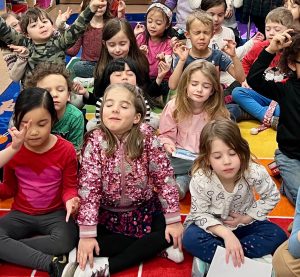
This is where the Mindful V™ Method becomes powerful.
The Mindful V Method helps children develop emotional awareness and the ability to pause through a combination of:
1. Meditation (Calming the Body)
Simple breathing and mindfulness exercises help children slow down their nervous system.
This creates space between emotion and reaction.
2. Affirmations (Guiding the Mind)
Positive affirmations help children build a strong inner voice.
For example:
• I am calm
• I am the boss of me
• I can handle my feelings
These messages help children feel confident and in control.
3. Gratitude (Shifting Perspective)
Gratitude helps children focus on positive experiences and emotional balance.
Simple questions like:
• What made you smile today?
• What are you thankful for?
help children develop awareness beyond their immediate emotions.
How These Practices Build the Pause
When meditation, affirmations, and gratitude are practiced together, something powerful happens.
Children begin to:
• calm their bodies
• understand their emotions
• develop a positive inner voice
• feel safe within themselves
And slowly, they develop the ability to:
👉 pause before reacting
This is the foundation of emotional resilience.
A Small Practice That Changes Everything
Teaching children the pause does not require hours of time.
It can begin with just a few minutes each day:
• a short breathing moment
• a simple affirmation
• a gratitude reflection
These small practices create lasting emotional skills.
Final Thought
Children don’t need to be taught to “stop reacting.”
They need to be taught how to understand themselves.
And when children learn how to pause, they gain something incredibly valuable:
the ability to respond to life with calm, confidence, and awareness.
Watch the Guided Morning Meditation
Explore more guided practices from Veronica’s Mindful Morning series.
 https://www.youtube.com/@VeronicaMoya
Discover school programs and mindfulness resources:
Download the free Emotional Reset Guide for Kids
Love,
Veronica