
Mindfulness for Teachers: Simple Strategies to Create a Calmer Classroom Every Day
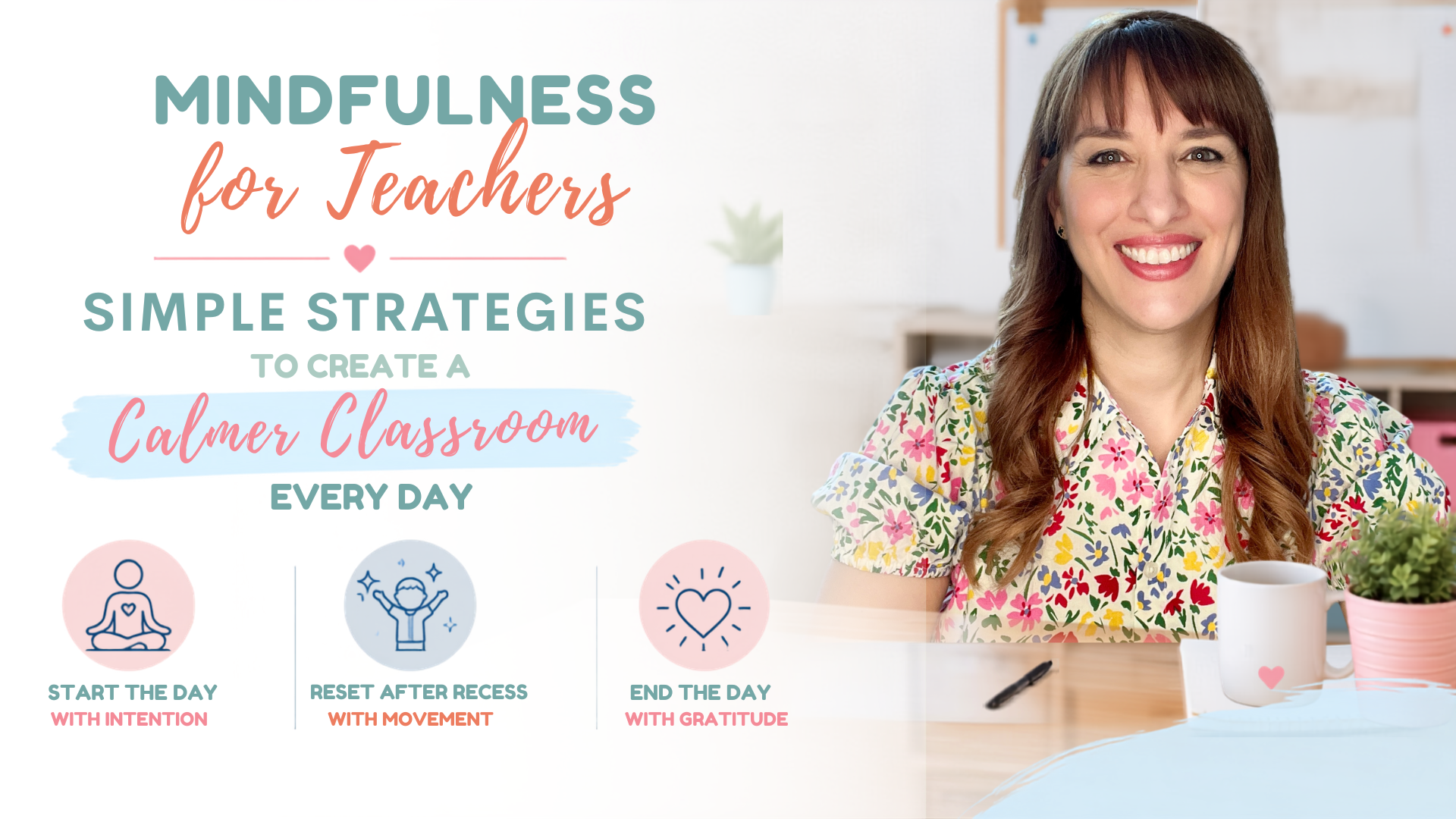
Mindfulness for Teachers
Teaching is one of the most rewarding professions, but it is also one of the most demanding. Every day, teachers are expected to educate, encourage, guide, support, and manage a classroom full of students, often while carrying the emotional weight of responsibilities outside of school.
When a classroom feels chaotic, it’s easy to assume that students simply need better behaviour management. But what if creating a calmer classroom starts somewhere else?
The truth is that children naturally respond to the emotional environment around them. They notice when adults are calm, patient, and present, just as they notice when adults are overwhelmed or stressed. That isn’t a criticism of teachers, it’s simply how children are wired.
The good news is that small moments of mindfulness can make a meaningful difference.
Mindfulness for teachers isn’t about adding another task to an already full schedule. It’s about creating simple daily habits that help regulate your own nervous system, allowing you to respond instead of react. When teachers feel calmer, classrooms often become calmer too.
In this article, we’ll explore three practical mindfulness strategies you can begin using today.
Why Mindfulness Matters in the Classroom
Children are constantly observing the adults around them. Before they listen to our words, they often respond to our energy. When teachers feel rushed, anxious, or overwhelmed, students can sense it. Likewise, when a teacher enters the classroom feeling grounded and confident, that calm presence helps create emotional safety.
Research on mindfulness and social-emotional learning has shown that mindful practices can support:
- Better emotional regulation
- Improved classroom behaviour
- Greater student focus
- Reduced stress for teachers
- Stronger teacher-student relationships
- A more positive classroom environment
The goal isn’t perfection.
The goal is creating small daily moments that help both teachers and students reset throughout the day.
Strategy 1: Begin the Day with Intention
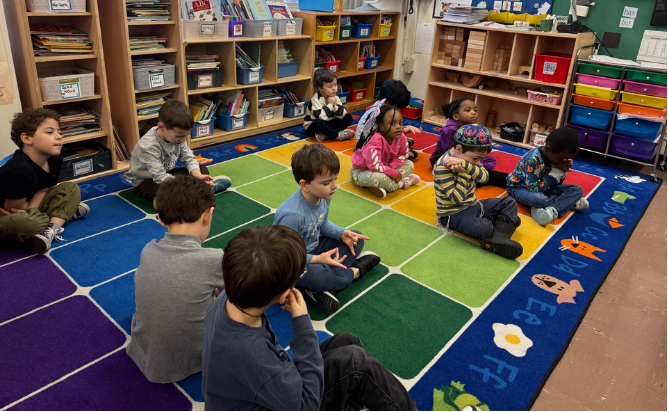
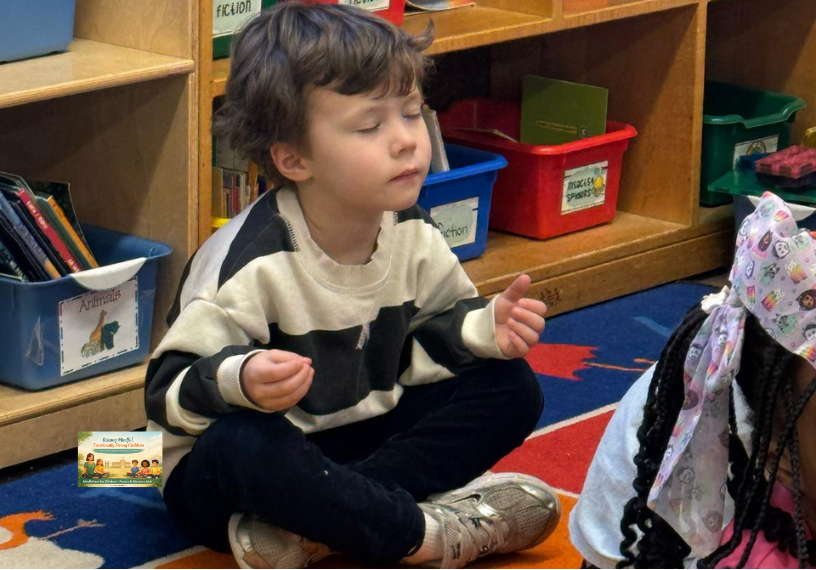
The first few moments before students enter the classroom can influence the entire day. Instead of walking into class while mentally rushing through your to-do list, pause for just a few moments. Take one slow breath through your nose. Exhale gently through your mouth. Repeat this three times. As you breathe, choose a simple intention for the day.
For example:
- Today I choose patience.
- I am present
- I am calm
This isn’t positive thinking for the sake of it. It’s a way of reminding your brain and body how you want to respond when challenges arise. When students arrive, invite them to join you for three slow breaths. It only takes a minute, but it creates a shared transition into learning.
You can also introduce simple affirmations such as:
- I am smart.
- I am wise.
- I can do awesome things.
- Today is a good day!
Children often enjoy these short routines because they create consistency, confidence, and connection.
Why This Works
Breathing activates the body’s relaxation response, helping reduce stress and increase emotional regulation. Rather than beginning the day with urgency, you begin with intention. That shift benefits both teachers and students.
Strategy 2: Reset After Recess Instead of Saying “Calm Down”
Many teachers know that returning from recess can be one of the most challenging parts of the school day. Students come back excited, energetic, and full of movement. Telling children to “calm down” rarely changes how they feel.
Instead of trying to stop the energy, work with it. One simple activity is the Balloon Breath. Invite students to pretend they are slowly inflating a giant balloon.
- Raise both arms out to the sides.
- Lift them overhead as you inhale deeply.
- Stretch your arms back down as you exhale.
- Repeat together several times.
Adding movement allows children to transition naturally instead of being expected to switch instantly from active play to quiet learning. Children regulate more effectively when their bodies are involved in the process. Instead of forcing stillness, you’re gently guiding them toward it. Many teachers find this strategy becomes one of the easiest classroom resets they use throughout the week.
Why Movement Matters
Movement and breathing work together to help regulate the nervous system. After recess, students already have physical momentum. Rather than fighting that momentum, mindful movement helps channel it into calm attention. It’s a simple shift, but one that can transform the transition back into learning.
Strategy 3: End the School Day with Gratitude
The final minutes before dismissal can often feel just as busy as the beginning of the day. Students have questions. They’re gathering belongings. Everyone is thinking about going home. Before joining that rush, slow yourself first. Speak a little more slowly. Walk a little more slowly. Smile naturally. Your pace becomes permission for students to slow down too. Before students leave, invite them to think about one thing they appreciated during the day.
You might ask:
“What is one thing you’re grateful for today?” Students can share aloud or simply reflect quietly. This brief gratitude practice helps shift attention away from stress and toward positive experiences. .Students leave school feeling more emotionally settled, and teachers often finish the day feeling less drained.
Small Practices Create Big Changes
Mindfulness doesn’t require long meditation sessions. You don’t need special equipment. You don’t need to completely redesign your classroom routine.
Instead, focus on small moments:
- Three mindful breaths before class.
- One movement activity after recess.
- One gratitude reflection before dismissal.
These practices take only a few minutes but can have a lasting impact on classroom culture. Over time, students begin to expect these moments of calm, making them part of the rhythm of the school day.
Supporting Social-Emotional Learning
Mindfulness naturally supports social-emotional learning (SEL).
As children learn to notice their breathing, regulate emotions, express gratitude, and become more aware of themselves, they are also developing lifelong emotional skills. These skills extend beyond the classroom. They support friendships, family relationships, problem-solving, resilience, and overall well-being.
For teachers, mindfulness also creates space to respond thoughtfully instead of reacting automatically during stressful moments.
Remember: Your Presence Matters
Teachers often focus on lesson plans, classroom management strategies, and academic goals.
Those things matter. But your presence matters too. Children may not remember every lesson you teach, but they will remember how your classroom made them feel. A calm teacher creates space for calm learners. A patient teacher encourages patient interactions. A mindful teacher helps build a mindful classroom.
Small moments repeated consistently can create lasting change.
Final Thoughts
Mindfulness isn’t another task to add to your workload.
It’s a way of supporting yourself while supporting your students. Whether you’re beginning the day with intentional breathing, helping students reset after recess, or ending the afternoon with gratitude, these simple practices can strengthen classroom relationships and create a more peaceful learning environment.
You don’t have to become a meditation teacher to begin. Simply start with one mindful moment tomorrow. You may be surprised by the ripple effect it creates.
Continue Your Mindfulness Journey
Looking for more practical mindfulness resources for teachers, parents, and children?
Explore Mindful V for guided breathing exercises, mindfulness videos, emotional wellness tools, and classroom resources designed to help children grow with calm, confidence, and compassion.
🎥 Visit the Mindful V YouTube channel for more than 300 free mindfulness videos created for classrooms, families, and young learners.
🌐 Learn more at veronicamoya.com and discover practical ways to bring mindfulness into everyday life.