
Highly Sensitive Child: Why Your Child May Be Highly Aware and Empathic
Highly Sensitive Child
Have you ever found yourself saying, “My child is too sensitive”? Perhaps your child cries more easily than other children, notices changes in someone’s mood, becomes overwhelmed by certain situations, or needs more time to recover after an emotionally intense experience. Maybe your child seems to notice things that other children simply do not seem to see.
For many parents, the word sensitive becomes an easy way to describe these behaviours. However, labeling a child as “too sensitive” can sometimes make us focus on what we believe is wrong rather than understanding what the child is experiencing. Research on sensory processing sensitivity suggests that children differ in how strongly they respond to their environments, and some children are more affected by sensory and emotional experiences than others. This is an area of genuine developmental research, rather than simply a parenting label.
The more helpful question may therefore be: What is this child noticing, feeling, and trying to understand?
What Does It Mean to Have a Highly Sensitive Child?
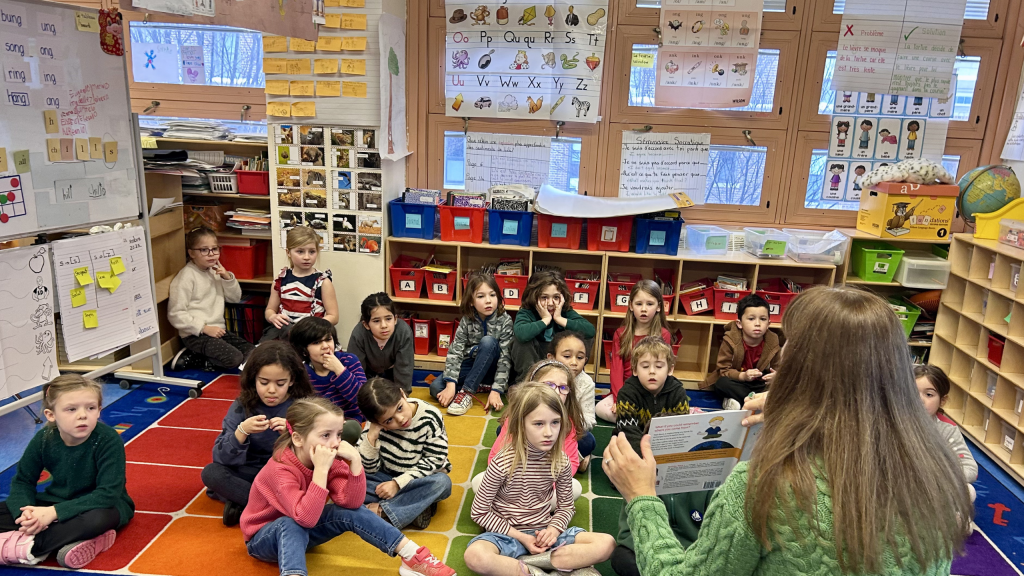
A highly sensitive child may respond more intensely to experiences that other children seem to handle easily. This can include emotional situations, criticism, changes in routine, social tension, noise, clothing textures, crowded environments, or other forms of stimulation. Some children may also take longer to return to their usual emotional state after becoming overwhelmed.
It is important to understand that sensitivity does not look exactly the same in every child. One child may become tearful when someone raises their voice, while another may withdraw after a busy day at school. Another child may be particularly aware of conflict between adults or may become deeply affected when a friend is upset. Some children may seek quiet spaces when there is simply too much happening around them.
These reactions do not automatically mean that a child has a mental health disorder, developmental disorder, or sensory processing disorder. Sensory processing differences can occur for many reasons, and some behaviours can overlap with other developmental or emotional concerns. When a child’s reactions significantly interfere with school, relationships, sleep, daily activities, or overall wellbeing, parents should consider discussing their concerns with an appropriately qualified professional.
Your Child May Be Highly Aware of What Is Happening Around Them
One of the most valuable shifts a parent can make is moving from “Why is my child reacting like this?” to “What might my child be noticing?”
A highly sensitive child may pick up on details that others overlook. They may notice a change in someone’s voice, recognize that a parent is upset even when the parent says everything is fine, or become uncomfortable when the emotional atmosphere in a room changes.
This does not mean that children can always accurately identify what another person is feeling. Children can misinterpret situations just as adults can. Nevertheless, learning to notice emotions, name them, and distinguish between one’s own emotional experience and another person’s experience is an important part of emotional development.
Children benefit from having language for what they feel. Research-based guidance on children’s emotional development emphasizes the importance of recognizing and naming emotions because this helps children understand their internal experiences and develop healthier ways of responding to them.
Instead of saying, “You’re being too sensitive,” a parent might say, “I noticed that really affected you. Can you tell me what you noticed and how it made you feel?”
That small change can open a completely different conversation.
Sensitive Does Not Mean Weak
A child who feels deeply is not necessarily a weak child.
At the same time, it is important not to romanticize sensitivity. A highly sensitive child can experience genuine difficulties when emotions, sensory information, or social experiences become overwhelming. The goal should not be to convince a child that every difficult experience is secretly a gift. The goal is to help the child understand themselves and develop the skills necessary to navigate those experiences.
Research into sensory processing sensitivity suggests that highly sensitive individuals can be particularly affected by their environments. Interestingly, research also points to greater benefits from supportive and positive environments, which means that the environment surrounding a sensitive child can matter considerably.
This is why the way adults respond can be so important.
When a child repeatedly hears that they are dramatic, difficult, weak, or “too sensitive,” they may begin to believe that something is fundamentally wrong with them. The Child Mind Institute similarly cautions that dismissing the intense emotional reactions of highly sensitive children can contribute to negative beliefs about themselves.
A more supportive message is:
“Your feelings matter. Let’s learn what they are telling you and what you can do with them.”
Helping a Child Understand “My Feelings” and “Other People’s Feelings”
One of the most important skills a sensitive child can develop is learning the difference between their own feelings and other people’s feelings.
A child may walk into a room and immediately notice that someone is angry, sad, frustrated, or uncomfortable. Because children are still developing emotional boundaries and self-awareness, they may sometimes assume that what they are sensing belongs to them.
A parent can gently help by asking questions such as:
“What are you feeling right now?”
“What happened that made you feel that way?”
“Is this feeling yours, or did you notice someone else feeling upset?”
“What do you know for sure, and what are you guessing?”
These questions teach children to slow down and examine their experiences rather than automatically absorbing every emotion around them.
This distinction can become particularly valuable as children grow older. Friendships, school relationships, family dynamics, and eventually workplace and romantic relationships all require the ability to recognize other people’s emotions without taking responsibility for every emotion someone else experiences.
What Happens When a Sensitive Child Becomes Overwhelmed?
A child who is overwhelmed may not always be able to explain what is happening internally.
Some children cry. Others become quiet or withdraw from social situations. Some may appear irritable, frustrated, or unusually reactive. Others may simply want to be alone.
These behaviours can easily be misunderstood.
A parent might think, “My child doesn’t want to socialise,” when the child may actually be communicating, through their behaviour, that the environment has become overwhelming.
This does not mean parents should excuse every behaviour. Children still need boundaries, expectations, and opportunities to learn appropriate behaviour. However, understanding what is underneath the behaviour can help parents respond more effectively.
The Child Mind Institute recommends helping children manage intense emotions rather than simply trying to eliminate those emotions. Children can learn grounding strategies, recognize physical sensations associated with emotions, and use calming techniques while they wait for the intensity of a feeling to decrease.
The goal is not to teach a child that difficult emotions are bad. It is to teach them that emotions can be experienced without allowing those emotions to control every action.
How Parents Can Support a Highly Sensitive Child
Supporting a highly sensitive child begins with creating an environment in which the child feels safe enough to understand their experiences rather than ashamed of them.
Listen Before Trying to Fix
When a child is overwhelmed, immediately offering solutions may not always be helpful. Start by acknowledging what you see. Saying, “I can see that you’re really upset,” allows the child to feel heard before you begin problem-solving. Validation does not mean agreeing with every interpretation or behaviour; it means recognizing the child’s emotional experience.
Help Them Name What They Feel
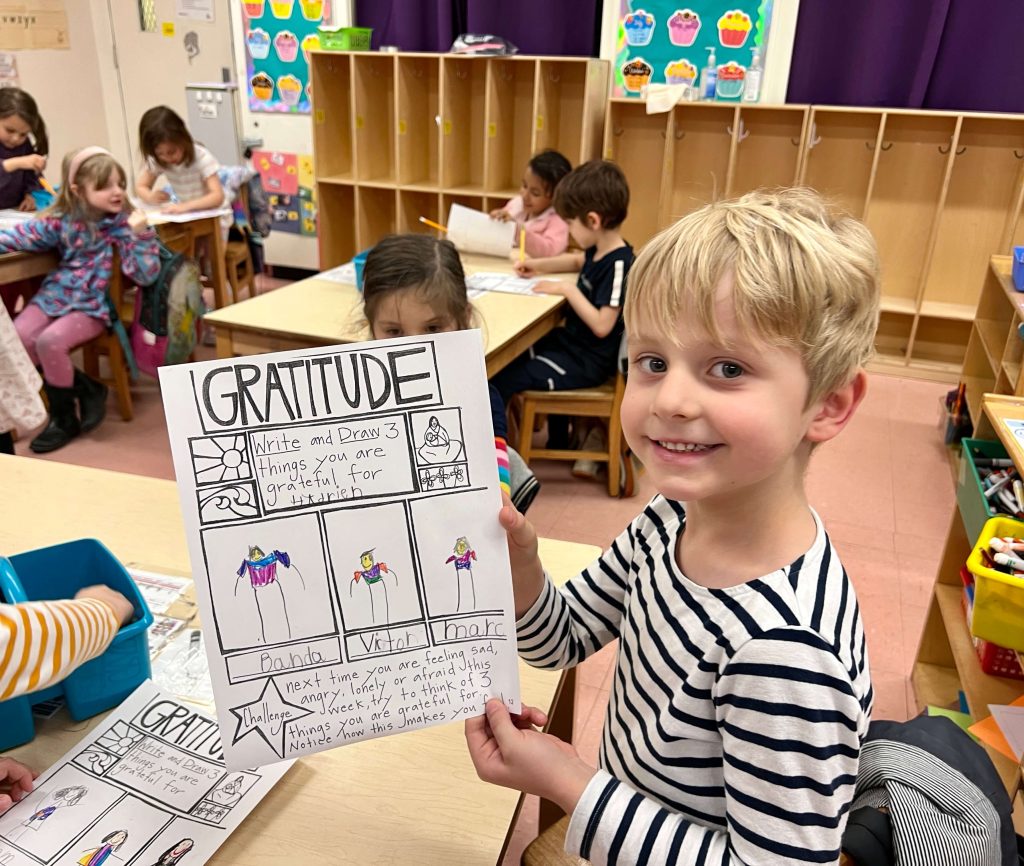
Children cannot always regulate emotions they cannot identify. Encourage your child to develop a vocabulary for feelings such as frustrated, disappointed, worried, embarrassed, excited, overwhelmed, lonely, or calm. Naming emotions gives children a way to communicate what is happening inside them.
Create Space to Calm Down
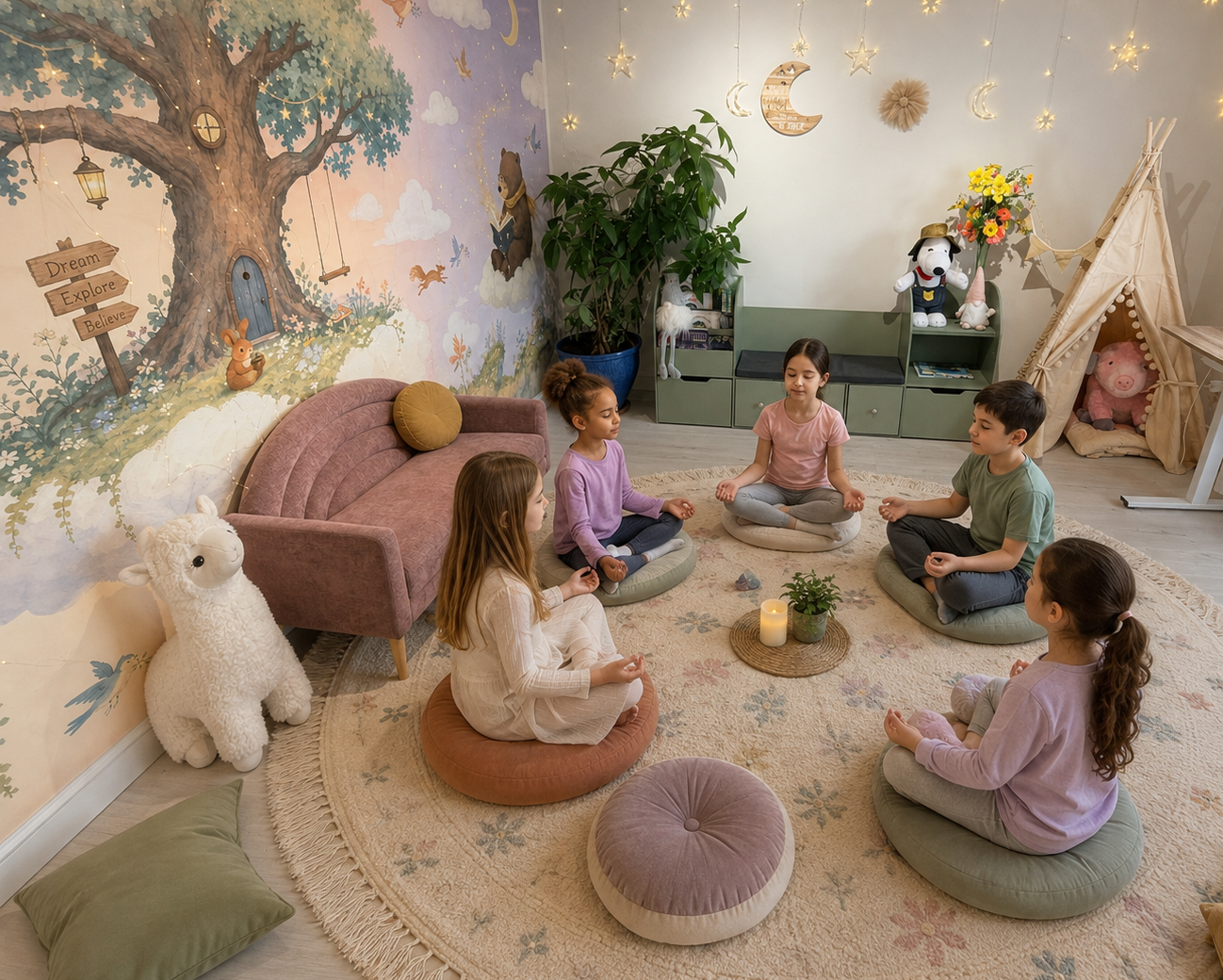
A calm corner, quiet room, comfortable chair, or familiar routine can give a child a place to recover after an overwhelming experience. This should not be presented as punishment or isolation. It can simply be a safe place where the child can pause, breathe, and reconnect with themselves.
Teach Grounding and Mindfulness Skills
Mindfulness can give children practical tools for noticing thoughts, emotions, bodily sensations, and the environment around them. Simple breathing exercises, sensory awareness activities, guided meditation, and moments of quiet attention can help children practice staying present when emotions become intense.
Mindfulness should not be presented as a way to make children stop feeling. Instead, it can become one tool among many that helps children notice what is happening and choose how they want to respond.
Mindfulness Resources for Children and Families
Families looking for additional mindfulness resources can also explore Mindful V, a nonprofit organisation dedicated to making mindfulness and emotional wellness resources more accessible to children, families, and educators. Explore the Mindful V programs and resources to discover more ways to bring mindfulness into children’s everyday lives.
Look for Strengths, Not Only Struggles
A child who notices details, cares deeply about others, or thinks carefully about experiences may have strengths that deserve recognition. Parents can help children discover where these qualities serve them well, whether in creativity, relationships, problem-solving, compassion, communication, or other areas.
Research on environmental sensitivity suggests that children with higher sensitivity may be particularly responsive to the environments around them. This reinforces the importance of supportive relationships and positive experiences rather than treating sensitivity as a simple deficit.
When Should Parents Seek Additional Support?
Being emotionally sensitive is not, by itself, a diagnosis. However, parents should pay attention when a child’s emotional or sensory experiences consistently interfere with everyday life.
If a child is frequently unable to participate in school, avoids ordinary activities because of sensory experiences, experiences severe emotional distress, has persistent difficulties with relationships, or shows significant changes in behaviour, it is appropriate to seek professional guidance.
Parents do not have to wait until a situation becomes severe before asking for help. A pediatrician, child psychologist, occupational therapist, counselor, or another qualified professional may be able to help identify what is happening and recommend appropriate support, depending on the child’s individual needs.
The goal is not to find a label simply for the sake of having one. The goal is to understand the child accurately and provide support that fits their needs.
From “Too Sensitive” to “Help Me Understand”
Perhaps the most important change begins with the language we use.
Instead of seeing a child as “too sensitive,” we can become curious about what that sensitivity is communicating.
What are they noticing?
What are they feeling?
What is happening inside them?
What is happening around them?
What belongs to them, and what belongs to someone else?
What helps them feel safe enough to regulate?
And what strengths can we help them develop?
These questions do not deny the challenges that sensitivity can bring. Instead, they give parents a more compassionate and practical way to understand their children.
Every child is different. Some children experience their surroundings more intensely than others, and those differences deserve understanding rather than shame. With supportive relationships, emotional vocabulary, healthy boundaries, and appropriate coping strategies, children can learn to understand their inner experiences and navigate the world around them with greater confidence.
The goal is not to teach a child that they should never feel deeply.
The goal is to help them understand what they feel, why they feel it, and what they can do with those feelings.
A child who once seemed “too sensitive” may simply be a child who needs adults to slow down, listen more carefully, and help them make sense of a world they experience very deeply.
Helping Children Turn Awareness Into Strength
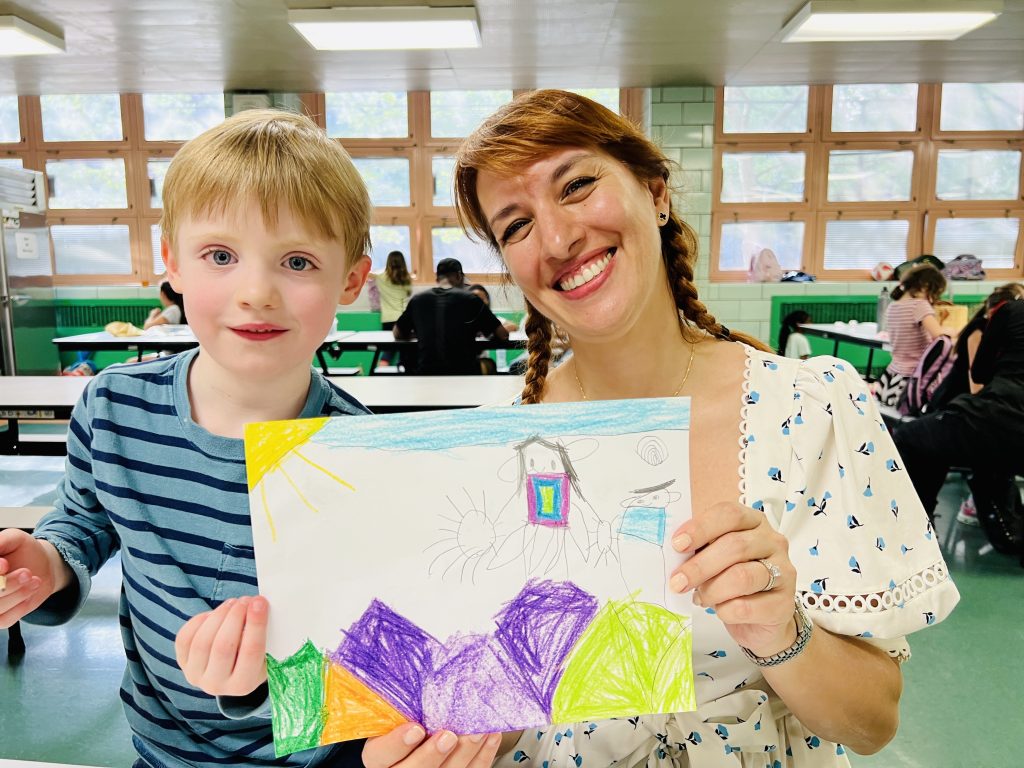
If your child experiences emotions deeply, notices what is happening around them, or sometimes becomes overwhelmed by the feelings of others, you don’t have to navigate those experiences alone. The goal is not to change who your child is, but to help them understand themselves, develop healthy emotional skills, and learn how to use their strengths with confidence.
Continue learning with Veronica Moya on YouTube for more conversations and practical resources for children’s emotional wellbeing. You can also explore Mindful V, a nonprofit organisation providing mindfulness resources and programs designed to support children, families, and educators.
If you would like personalised support for your child, explore Veronica’s resources or book a free 15-minute consultation to learn more about how she may be able to help.
Free Mindfulness Resources for Kids
Parents looking for free mindfulness resources for kids can also visit Veronica Moya on YouTube. Veronica regularly shares mindfulness and emotional wellness videos designed to help children develop greater calm, confidence, self-awareness, and emotional understanding. These free videos can be a helpful resource for parents, educators, and families who want to introduce simple mindfulness practices into a child’s everyday routine.
Explore the free resources: Veronica Moya on YouTube
Frequently Asked Questions
What are the signs of a highly sensitive child?
A highly sensitive child may react strongly to emotional experiences, criticism, sensory stimulation, changes, or social situations. Some children may become overwhelmed more easily or take longer to return to their emotional baseline. Sensitivity varies considerably from child to child and should not be treated as a diagnosis by itself.
Is being highly sensitive a bad thing?
No. Sensitivity is an individual characteristic, not automatically a weakness. However, highly sensitive children can experience real challenges when their environments are overwhelming or unsupportive. Research suggests that highly sensitive individuals may also benefit more from positive and supportive environments, making the quality of a child’s environment particularly important.
How can I help my sensitive child regulate emotions?
Parents can begin by validating the child’s feelings, helping them name emotions, giving them opportunities to calm down, teaching age-appropriate grounding or breathing techniques, and discussing difficult situations after the emotional intensity has decreased. Children can learn emotional regulation as a skill over time.
Are highly sensitive children always empaths?
No. Sensory or emotional sensitivity and empathy are related concepts but are not identical. A child may be highly sensitive without accurately understanding what another person feels. Parents can help children develop empathy while also teaching them to distinguish their own emotions from assumptions about other people’s emotions.
Can mindfulness help sensitive children?
Mindfulness can be one useful tool for helping children notice their thoughts, feelings, bodily sensations, and surroundings. It should be viewed as part of a broader set of emotional skills rather than a cure for sensitivity or a replacement for professional care when a child is experiencing significant difficulties.