
Nurturing Your Child’s Inner Wisdom: Why Every Kid Deserves to Trust Themselves
Nurturing Your Child’s Inner Wisdom
Every parent wants their child to grow into a confident, capable, and fulfilled adult. We spend years teaching our children how to read, how to solve math problems, how to navigate friendships, and how to succeed academically. Yet one of the most powerful tools a child possesses often goes unnoticed and undeveloped: their inner wisdom. Children are born with a natural sense of clarity and confidence, an internal compass that helps them understand what feels right and what does not. Unfortunately, as they grow older, most children are gradually taught to look outward for answers rather than inward. This shift, subtle as it may seem, can have a lasting impact on how a person makes decisions for the rest of their life.
This article explores why reconnecting children with their inner guidance matters, how modern life pulls kids away from that instinct, and what parents can do to help their children preserve this invaluable asset. Whether you are a parent, educator, or caregiver, understanding the importance of a child’s intuition can transform the way you approach parenting and personal development.
Why Children Are Naturally Wise
It may sound surprising, but young children often possess a level of clarity that adults spend years trying to recover. Before they are shaped by external expectations, societal pressure, and constant comparison, children tend to have a strong internal sense of self. They know what they like, what feels safe, and who they trust, often without needing to explain why. This instinctive knowing is not a coincidence. It reflects a deeper connection to something many people describe as intuition, gut feeling, or inner guidance.
Interestingly, human beings are somewhat unique among species in how easily we override this instinct. Animals in the wild rely almost entirely on instinct to survive, find food, avoid danger, and make decisions. Humans, on the other hand, are consistently taught to rely on external validation, logical analysis, and outside opinions rather than trusting what they feel internally. Over time, this pattern causes many people, including children, to distance themselves from their own inner voice.
The Cost of Losing Touch With Inner Guidance
Think about a moment in your own life when you had a strong feeling about a person, a decision, or a situation, but you dismissed it in favor of what seemed logical or acceptable to others. Later, when things did not go as hoped, you may have thought to yourself, “I had a feeling this would happen.” This experience is incredibly common, and it illustrates just how often we ignore our own intuition in favor of external logic or social pressure.
Now imagine a child growing up constantly disconnected from that same inner voice. Without the ability to trust their own instincts, children may struggle later in life to make confident decisions about relationships, career paths, friendships, and even simple daily choices like what to wear or which hobbies to pursue. When a person is not accustomed to listening to themselves, decision-making becomes clouded by overthinking, self-doubt, and a constant need for outside approval.
This is why many parenting and childhood development experts emphasize the importance of preserving a child’s connection to their inner wisdom early on, rather than trying to rebuild it later in adulthood.
How Modern Life Pulls Children Away From Their Instincts
While it is easy to blame smartphones, social media, and constant digital stimulation for disconnecting children from their inner voice, the truth is more nuanced. Human beings have struggled with this imbalance long before modern technology existed. Society has always encouraged people, especially children, to seek approval, validation, and direction from external sources such as parents, teachers, peers, and cultural norms.
That said, today’s environment does intensify the issue. Children are surrounded by constant messaging about how they should look, behave, and succeed. Social media in particular reinforces comparison and external validation at an age when children are still developing a sense of identity. Without intentional guidance, kids can easily grow up believing that their worth and their decisions should be shaped by outside opinions rather than their own inner compass.
Teaching Children to Trust Their Inner Compass
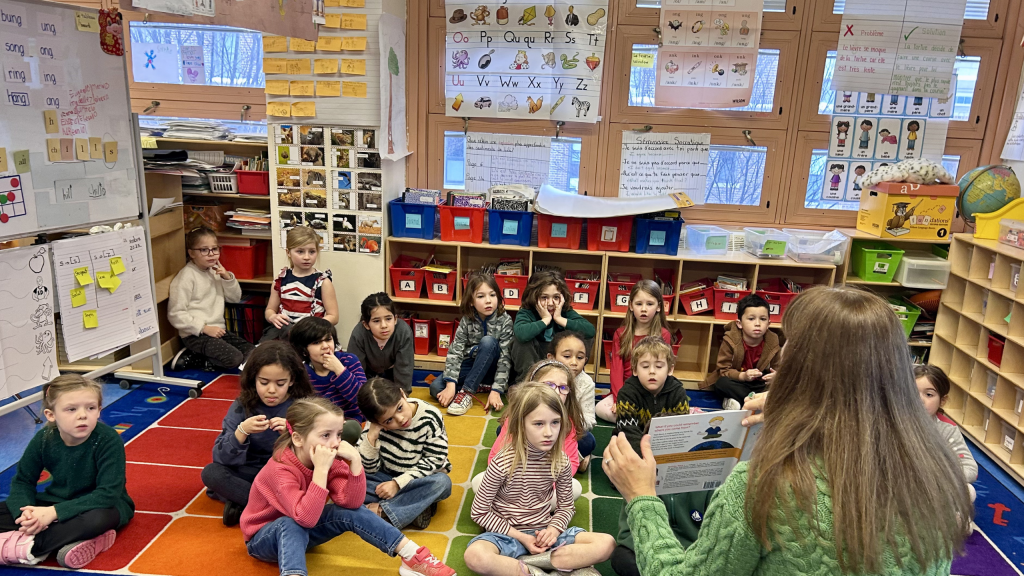
The good news is that this pattern can be interrupted. Just as children can be taught to override their instincts through repeated external validation, they can also be taught to reconnect with and trust their inner wisdom. This does not mean discouraging critical thinking or ignoring practical advice. Instead, it means helping children recognize the difference between overthinking and genuine inner knowing, and encouraging them to check in with themselves before automatically looking outward for answers.
Here are a few practical ways parents can help nurture this skill in their children.
1. Encourage Reflection Over Immediate Reaction
When your child faces a decision, whether big or small, invite them to pause before answering. Ask questions like, “What does your gut tell you?” or “How does this choice make you feel inside?” This simple habit teaches children to check in with themselves rather than immediately seeking approval or direction from someone else.
2. Avoid Overriding Their Instincts Too Quickly
It can be tempting as a parent to immediately correct or override a child’s feelings, especially when their instincts do not align with adult logic. However, dismissing a child’s gut feelings too often can teach them to distrust themselves. Instead, validate their feelings first, then guide them through the decision-making process together.
3. Model Trusting Your Own Intuition
Children learn by watching the adults around them. If you consistently ignore your own inner guidance in favor of what seems logical or socially acceptable, your child will likely learn to do the same. Demonstrating how you listen to your own gut feelings, even in small everyday decisions, helps normalize this practice for your child.
4. Introduce Mindfulness and Guided Reflection Practices
Mindfulness practices, including guided meditations designed specifically for children, can be incredibly effective tools for helping kids reconnect with their inner voice. These practices teach children how to slow down, tune into their bodies and emotions, and recognize the difference between anxious overthinking and calm inner knowing.
5. Create a Judgment-Free Space for Decision-Making
Children are more likely to trust their instincts when they know they will not be judged or criticized for their choices. Creating an open, supportive environment where children feel safe expressing their feelings, even when those feelings differ from what is expected, reinforces their confidence in their own inner guidance.
Why This Matters for Long-Term Happiness
Many parents hope that by guiding their children toward the “right” choices, whether in relationships, careers, or everyday decisions, they can help their children achieve happiness and success. However, true fulfillment cannot be handed to a child from the outside. Happiness is ultimately an internal experience that develops when a person learns to trust themselves and make decisions aligned with their authentic feelings.
This is similar to the well-known idea that money alone does not guarantee happiness. A person can have financial success and still feel unfulfilled if they are disconnected from their inner sense of purpose and self-trust. The same principle applies to children. Helping them develop strong self-trust early on lays the foundation for making values-aligned decisions throughout their entire lives, whether in choosing friendships, selecting a career path, or building romantic relationships as adults.
The Long-Term Benefits of Raising Intuitive, Self-Trusting Children
When children grow up trusting their inner wisdom, they tend to develop several important life skills, including:
- Greater confidence in decision-making
- Reduced anxiety around overthinking or seeking constant validation
- Stronger boundaries in relationships and friendships
- A clearer sense of personal identity and values
- Improved emotional regulation and self-awareness
- Increased resilience when facing challenges or setbacks
These benefits extend far beyond childhood. Adults who were encouraged to trust their instincts as children often report feeling more secure in their career choices, relationships, and overall life direction. They are less likely to second-guess themselves constantly or seek excessive validation from others.
Practical Tools for Parents
If you are looking for structured ways to help your child build this connection, consider incorporating tools such as:
- Guided meditations designed specifically for children’s emotional and intuitive development
- Journaling prompts that encourage kids to reflect on their feelings before making decisions
- Mindfulness-based classes or workshops focused on self-trust and emotional intelligence
- Simple daily check-in routines where children are asked how they feel about their day or upcoming choices
Many mindfulness educators and child development specialists offer classes, online courses, and downloadable resources specifically designed to help children strengthen their connection to their inner voice. These programs often combine mindfulness techniques with age-appropriate language and activities that make the concept of “inner wisdom” accessible and engaging for young minds.
Conclusion: Give Your Child the Gift of Self-Trust
As parents, we naturally want to protect our children and guide them toward good decisions. However, one of the most valuable gifts we can offer is not a specific answer or direction, but rather the tools to trust themselves. When children learn to listen to their inner compass from an early age, they carry that skill with them into adulthood, empowering them to make confident, authentic choices in every area of life.
Rather than teaching children to constantly look outward for validation and answers, we can help them turn inward, strengthening the connection they already have with their own wisdom. In doing so, we are not just helping them make better decisions today. We are equipping them with a lifelong skill that will support their happiness, confidence, and fulfillment for years to come.
If you are interested in learning more about mindfulness practices for children or want to explore guided resources designed to help kids reconnect with their inner voice, you can find guided meditations, courses, and in-person classes at veronicamoya.com. If you would like to support this mission and help more children stay connected to their inner wisdom, visit mindfulv.org to learn how you can get involved.