
Mindfulness: The “Mental Hygiene” We’ve Been Forgetting
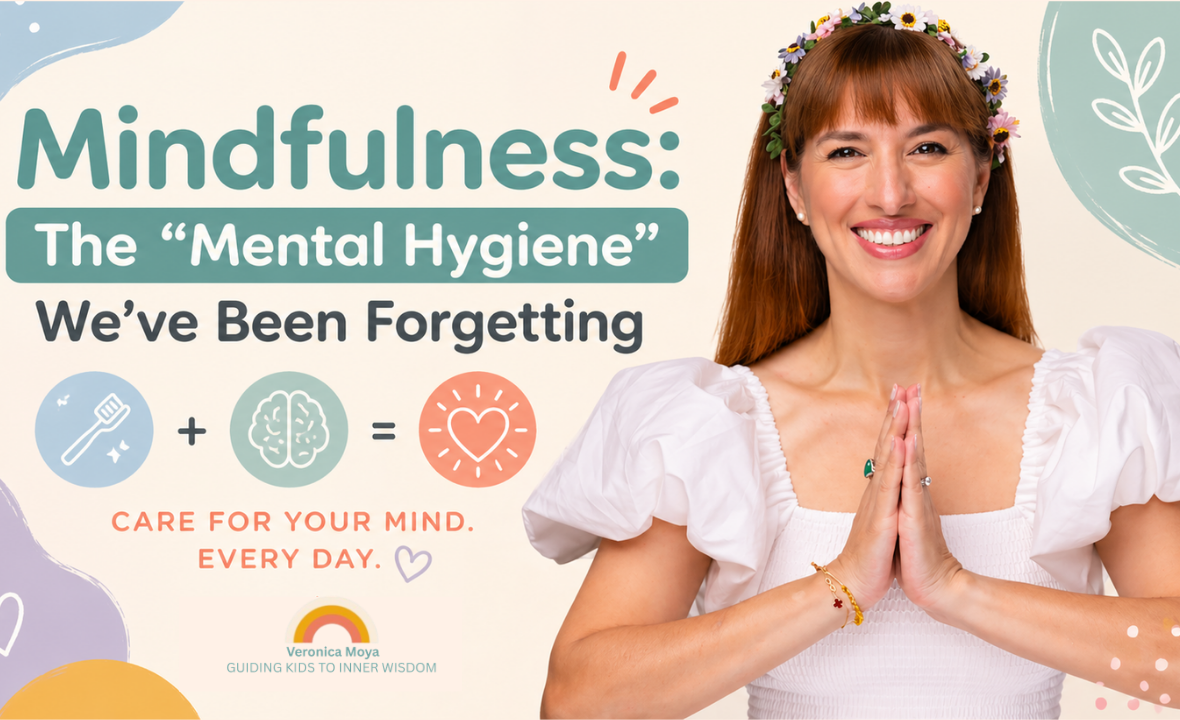
We all know the drill: wake up, head to the bathroom, and brush our teeth. It’s a non-negotiable part of our daily hygiene. We do it to prevent decay, avoid pain, and keep our smiles bright.
But while we’re meticulously scrubbing our molars, what’s happening in our minds?
Usually, it’s a chaotic swirl of yesterday’s regrets and tomorrow’s to-do lists.
Veronica Moya, a prominent mindfulness expert and founder of Mindful V, often challenges us to rethink our daily routines. She suggests that mindfulness should become “as natural as Brushing Your Teeth.”
That raises a provocative question:
Is mindfulness actually a form of mental hygiene or is it just a modern luxury?
The Conflict: Is “Mental Hygiene” Really a Thing?
Critics argue that mindfulness is a kind of spiritual indulgence, something reserved for people with extra time and quiet spaces. To them, “mental hygiene” sounds like a clever buzzword. After all, the brain isn’t visibly “dirty,” so why would it need cleaning?
But consider the alternative.
If we stopped brushing our teeth, the results would be visible and painful within weeks. When we neglect our mental hygiene, the “decay” is less obvious but just as real: chronic stress, emotional reactivity, and a clouded sense of self.
We allow “mental plaque” ruminating thoughts, unresolved emotions, and constant pressure to build up quietly.
Veronica Moya’s perspective is simple but powerful: don’t wait for a crisis to care for your mind, maintain it daily so the crisis never takes root.
The Solution: Why Mindfulness Is the “Toothbrush” for Your Brain
Mindfulness isn’t about achieving constant calm or perfection. It’s about daily maintenance, small, consistent actions that keep your inner world clear and balanced.
Here’s why it truly functions as mental hygiene:
1. It Clears “Emotional Plaque”
Just as food particles cling to your teeth, experiences cling to your mind.
A stressful conversation. A negative comment. A lingering worry.
Without attention, these don’t disappear, they accumulate. Over time, they harden into beliefs and emotional patterns.
Mindfulness helps you notice these thoughts early before they “stick.” You observe them, instead of absorbing them.
2. It Prevents “Systemic Decay”
Chronic stress isn’t just a feeling, it has physical effects.
Elevated cortisol levels can impact memory, focus, and emotional regulation over time. Mindfulness, even in short moments, helps regulate that stress response.
A single mindful pause, a deep breath, a moment of awareness can interrupt the cycle.
Just like fluoride strengthens enamel, mindfulness strengthens your ability to stay steady under pressure.
3. It’s About Routine, Not Perfection
You don’t brush your teeth once for five hours and expect lasting results.
You do it briefly, consistently.
Mindfulness works the same way. Consistency matters more than duration.
A “mindful minute,” a short breathing exercise, or a moment of gratitude, these are small acts that, repeated daily, create resilience over time.
The Foundation: Why Mental Hygiene Starts in Childhood
This idea becomes even more powerful when we think about children.
Because children aren’t just learning math or language, they’re learning how to relate to their own minds.
And without guidance, they’re left to figure it out alone.
Breaking the Cycle of Reactivity
Children naturally feel emotions intensely, but they don’t yet know how to process them.
Without mental hygiene, this can show up as:
- impulsive reactions
- overwhelming frustration
- anxiety they can’t explain
They become reactive, not because something is wrong with them, but because no one has shown them another way.
Children absorb the emotional patterns around them. If adults are overwhelmed, rushed, or reactive, children internalize that as normal.
Teaching mindfulness early interrupts that cycle. It gives them a different baseline.
How Kids Practice “Mental Brushing”
For children, mindfulness has to be tangible, playful, and engaging.
Veronica Moya’s approach makes it accessible through simple, sensory tools:
- The “Glitter Jar” Like shaking a jar filled with glitter, a busy mind feels scattered and unclear. As the glitter settles, children see how stillness brings clarity. It becomes a visual way to understand calming down.
- The “Mindful Minute” A few deep breaths before a test, after a disagreement, or during frustration. This small pause acts like washing away emotional “germs” before they spread.
These practices don’t feel like discipline, they feel like discovery.
The Long-Term Impact
When children learn mental hygiene early, something important shifts.
They grow up:
- understanding their emotions instead of fearing them
- pausing before reacting
- developing focus and patience
Just like brushing teeth prevents cavities, mindfulness builds emotional resilience.
And over time, it becomes automatic.
The Verdict
Mindfulness is not a spiritual “extra.”
It’s the everyday practice of keeping your internal world clear.
When we treat our minds and our children’s minds, with the same care we give our physical hygiene, we don’t just avoid “decay.” We build:
- clarity
- self-trust
- emotional strength
- and lasting peace
Not occasionally, but daily.
To learn more about implementing these routines for your family, visit VeronicaMoya.com or explore her guided practices for children on YouTube https://www.youtube.com/@VeronicaMoya