
Bullying, Teasing, or Misunderstanding | How to Help Children Tell the Difference
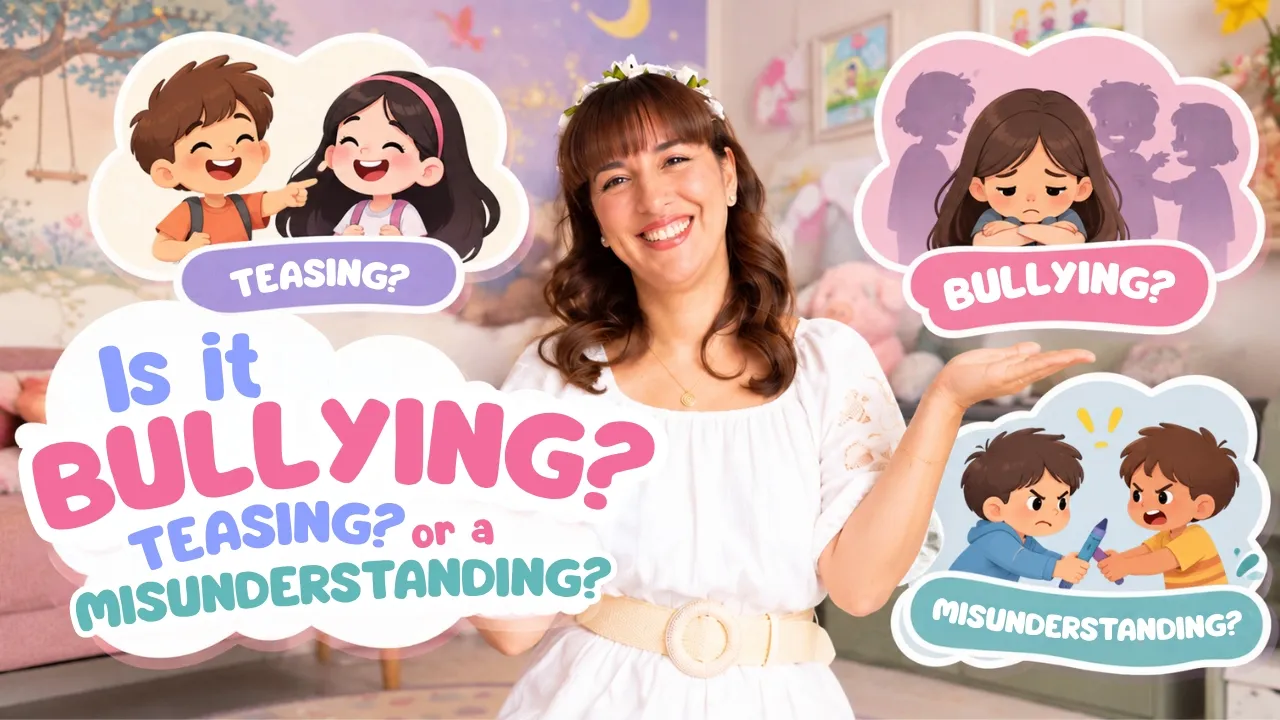
Children are still learning how to communicate their feelings, understand other people’s intentions, and navigate friendships. Sometimes, a joke can hurt someone’s feelings. A disagreement can become frustrating, or a child may misunderstand what another person meant.
For children, these situations are not always easy to understand. They may struggle to explain what happened or know how to respond. This is why learning the difference between bullying, teasing, and misunderstandings is an important part of children’s social and emotional development.
Parents, teachers, and caregivers can help children recognise these situations, understand their feelings, and learn when to speak up or ask for support.
What Is the Difference Between Bullying, Teasing, and Misunderstanding?
Although these situations can sometimes look similar, understanding their differences helps children respond more appropriately.
Teasing can be playful when everyone involved feels comfortable and enjoys the interaction. However, teasing can become hurtful when someone feels embarrassed, excluded, or upset. A joke should not be used as an excuse to ignore another person’s feelings, especially when they have asked for it to stop.
Misunderstandings happen when people interpret words, actions, or intentions differently. A child may say something without realising how it sounds, or another child may misunderstand what was meant. Listening, asking questions, and explaining feelings can help children work through these situations.
Bullying generally involves repeated aggressive behaviour and a real or perceived imbalance of power. It may include repeated name-calling, intimidation, physical aggression, threats, or deliberately excluding another child.
Not every hurtful interaction is bullying, but that does not mean it should be ignored. Adults need to consider what happened, whether the behaviour is repeated, whether there is a power imbalance, and whether a child feels unsafe. Serious incidents, including threats or physical harm, require attention even if they happen only once.
Helping children recognise these differences gives them a better understanding of their experiences without dismissing their feelings or labelling every disagreement as bullying.
Why Children May Struggle to Tell the Difference
Children are still developing the skills they need to understand social situations. They may not recognise when a joke has gone too far, understand why someone reacted negatively, or know how to explain that another person’s words have hurt them.
Sometimes, children may also assume that someone intended to hurt them when there has been a misunderstanding. In other situations, they might dismiss repeated unkind behaviour because they believe the other person is only joking.
These experiences create opportunities for learning.
Rather than immediately telling a child what happened or how they should feel, adults can help them explore the situation. Ask what was said or done, how they felt, and what happened when they responded.
Listening carefully helps adults understand the circumstances while giving children an opportunity to reflect on their experiences. It also teaches them that they can talk about difficult situations without being blamed or dismissed.
Helping Children Recognise and Express Their Feelings
A child might feel embarrassed, angry, sad, or confused after an uncomfortable interaction. However, they may not always have the words to explain these emotions.
Helping children identify their feelings can make it easier for them to communicate what happened and recognise what they need.
Parents and teachers can encourage children to describe their experiences in their own words. They can also help children understand that two people may experience the same situation differently.
For example, one child may believe a comment was funny, while another feels hurt by it. Both perspectives can be discussed, but the child’s discomfort should not be dismissed simply because the comment was intended as a joke.
Emotional awareness helps children understand their own boundaries and become more aware of how their behaviour affects others.
Teaching Children to Speak Up With Confidence
Once children begin to recognise their feelings, they can learn ways to communicate their boundaries.
Parents and teachers can help children practise simple statements such as:
- “I don’t like that. Please stop.”
- “That hurt my feelings.”
- “I think we misunderstood each other.”
- “I need help with what’s happening.”
These phrases give children practical ways to express themselves without responding with hurtful words of their own.
Children also need to understand that speaking up does not always mean confronting another person directly. If they feel unsafe, experience repeated bullying, or cannot resolve a situation, they should seek help from a trusted adult.
Adults play an essential role in listening, responding appropriately, and helping children feel safe. Children should never be expected to manage bullying on their own.
How Mindfulness Can Help Children Respond
Mindfulness can help children become more aware of their thoughts, feelings, and reactions. When a situation becomes upsetting, taking a moment to pause and breathe can create space to recognise an emotion before deciding what to do next.
With practice, children can learn to notice when they feel angry, embarrassed, or hurt and consider whether they need to communicate a boundary, clarify a misunderstanding, or ask for help.
Mindfulness does not mean ignoring hurtful behaviour or accepting bullying. It is one way to support emotional awareness alongside communication, problem-solving, and guidance from caring adults.
These skills can help children approach everyday challenges with greater awareness and develop healthier ways of responding to difficult interactions.
Watch Veronica Moya’s Video With Your Children or Students
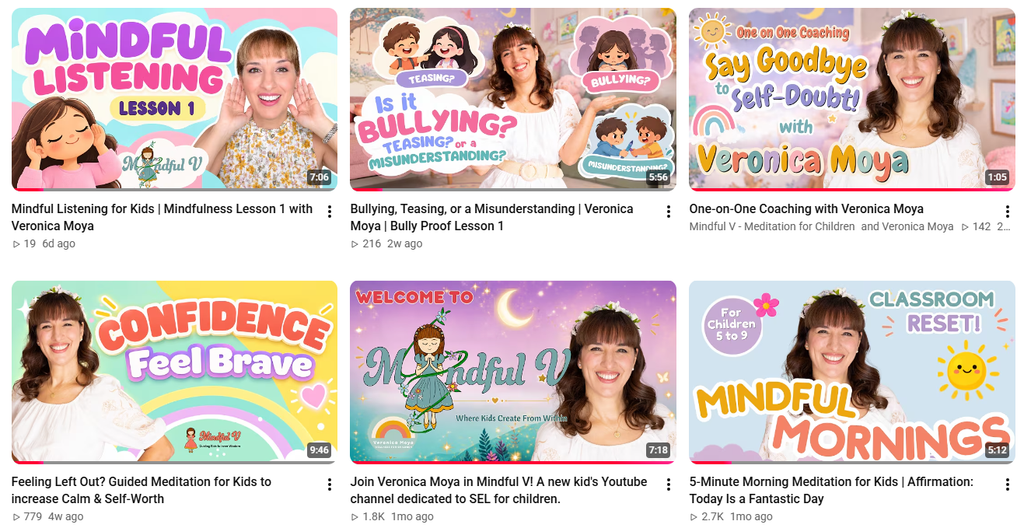
Understanding bullying, teasing, and misunderstandings becomes more meaningful when children have opportunities to think about how these situations happen in everyday life.
In her video lesson, Veronica Moya guides children through relatable examples that help them explore the differences. She encourages them to recognise what is happening, understand their feelings, and learn to speak up in a kind, calm, and assertive way.
The lesson also introduces the Spot the Difference worksheet, which allows children to practise identifying different situations and discuss their answers with a friend, parent, teacher, or caregiver.
Parents, guardians, and teachers are encouraged to watch the video together with their children or students. Use the lesson to start a conversation about kindness, personal boundaries, and how to respond when an interaction becomes uncomfortable.
[Embed Veronica Moya’s original YouTube video here.]
Helping Children Build Confidence and Kindness
Children will not always know how to handle every social situation, and that is part of learning and growing. What matters is that they have supportive adults who can help them understand their experiences and develop the skills to navigate relationships.
By learning to tell the difference between bullying, teasing, and misunderstandings, children can become more aware of their feelings, communicate their boundaries, and understand how their actions affect others.
With guidance and practice, they can learn when to speak up, when to listen, and when to ask for help.
Explore more children’s mindfulness lessons and educational resources through VeronicaMoya.com or discover more of Veronica Moya’s educational videos on YouTube.